Protein has become one of those words that seems to turn up everywhere. However, you should know that Indian cuisine has always been stacked with protein-rich options through everyday meals. And, they are all scrumptious, varied and absolutely exciting.
Tulsi Paneer Tikka offers a rich dose of vegetarian protein with the herbal bite of holy basil and cottage cheese. Egg Roast Curry uses a spiced onion-tomato base to make eggs taste delectable. Murgh Chukandri Kebab stands out on any plate with its taste and high protein content.
So, let’s take a closer look at the Indian dishes that make it deliciously easy to get protein!
The Indian Non- Veg Protein Dishes
Protein-rich eating comes with an enviable amount of choice for non-vegetarians. And they have long had a place in the food traditions of Indian cuisine, shaped by geography, seasonality, community and local produce.
Each of the ingredients, like eggs, poultry and seafood, takes on entirely different flavour profiles depending on the region and the hands that prepare them.
And the protein here is the hero around which aromatic spices, fresh herbs, and slow-cooking techniques revolve!
- Egg Roast Curry
Eggs have earned their place as one of the most convenient protein-rich foods around, and Egg Roast Curry gives them a distinctly Indian personality. They also provide nutrients such as vitamin B12, selenium and choline, adding more to the plate.
The slow-roast caramelised onions, ripe tomatoes, ginger, and curry leaves are cooked until they form a jammy, dark red gravy that is absolute spice-infused gold.
The masala clings to every curve, so you are never left with a plain bite. Tear into an egg, scoop up some of that roast with it, and prepare yourself for a flavour explosion.
- Tandoori Chicken
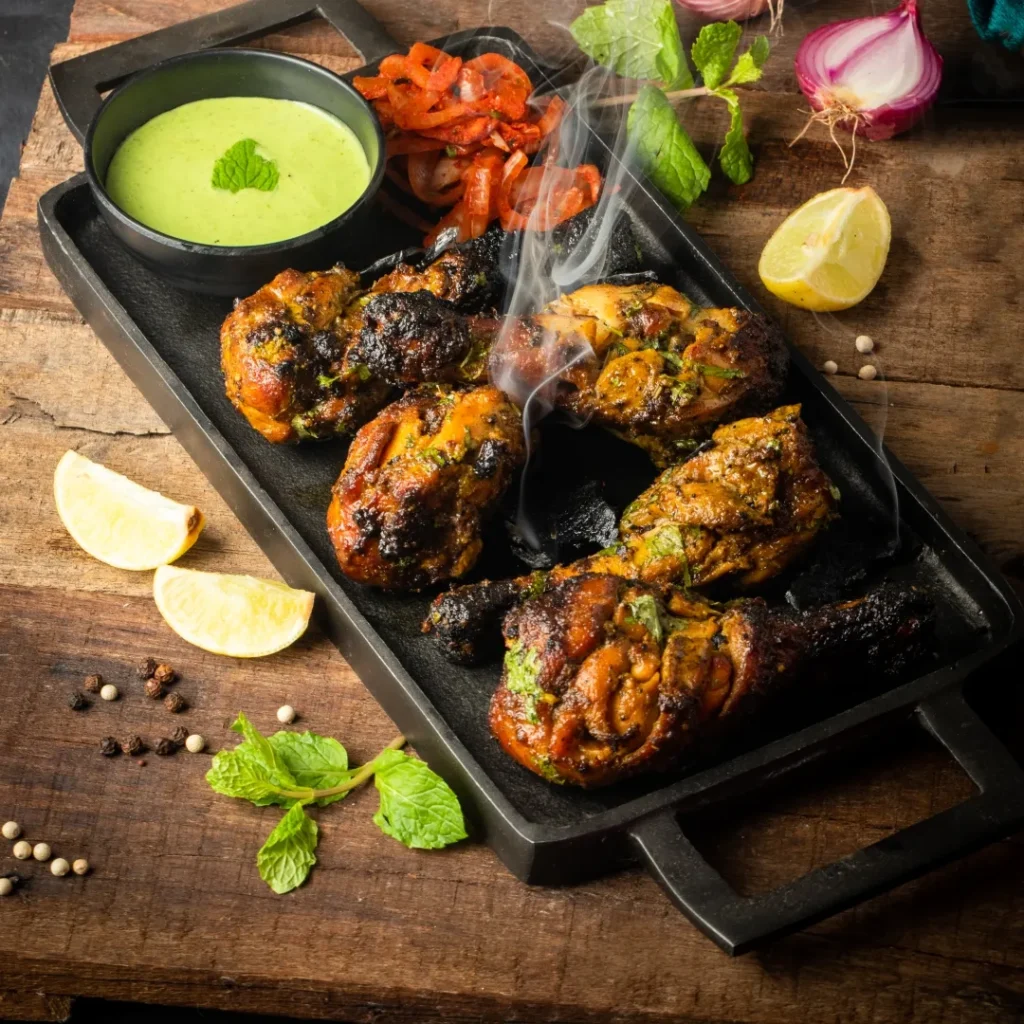
Tandoori Chicken is simple, fiery, and arguably the most delicious way to cook lean poultry on the planet. When prepared traditionally, it is one of the cleanest high-protein meals available.
Deep diagonal cuts slashed into the meat allow the mixture of ginger, garlic and earthy smoked spices to sink all the way to the bone. As the chicken hits intense heat, the yoghurt marinade chars, locking in every bit of moisture while creating those classic blackened, smoky spots.
You get a crispy, deeply spiced exterior with meat so tender it pulls apart with zero effort. Put the platter on the table, let the smoke and scrumptious taste do the talking, and see how long it lasts on the table.
- Meen Polichadhu
The traditional method of wrapping fresh fish in softened banana leaves and pan-searing it is a great way of retaining flavour and nutrition. Meen Polichadhu involves slathering a fresh fish fillet with a thick masala of shallots, tomatoes, garlic, and green chillies, then folding it inside the leaf.
As it is placed on the skillet, it gets charred on the outside and traps all the natural juices and oils inside the packet while infusing the fish with a delicate aroma.
Seafood provides high-grade protein alongside essential omega-3 fatty acids, and this oil-free cooking technique ensures that every nutrient stays preserved right on your plate.
- Murgh Chukandri Kebab
Beetroot and chicken might sound like an unusual pairing at first, but Murgh Chukandri Kebab proves that sometimes unexpected combinations work really well.
The beetroot hooks you with its earthy sweetness and striking colour, while the chicken brings the savoury, tender bite. It is a filling starter. And beetroot adds fibre, antioxidants, iron and potassium to the dish.
In other words, this is not simply a pretty kebab pretending to be healthy. If you think you have already seen every possible chicken kebab variation, this is the one that may just change your mind.
- Nandu Rasam
Nandu Rasam might not be the first dish that comes to mind when thinking about protein, but it is definitely something you should try the next time you are at an Indian restaurant. It is a pure, rustic coastal soup that warms you from the inside out.
Crab, simmered with tamarind, black pepper, and a handful of aromatic spices, creates a broth that is thin in appearance but rich in flavour and nutritional value. One sip is never enough with its savoury and slightly sweet complexity.
And, shellfish like crabs carry lean protein along with zinc and omega-3 fatty acids that support everything from immune function to heart health.
Rethinking Vegetarian Protein
It helps to address the elephant in the room: the assumption that vegetarian meals fall short on protein. But they are actually a goldmine of protein sources when built around ingredients like paneer, lentils, and soy.
Indian cuisine, in particular, has never treated them as mere accompaniments. It does not look for meat substitutes, but appreciates the wealth of its capacity to always curate a meal on their own.
The nutritional value is there in vegetarian dishes, but so is the pleasure. They have their own textures, flavours and traditions, passed down through daily cooking across regions.
- Tulsi Paneer Tikka
Paneer (cottage cheese) is an easy favourite for anyone looking to make a vegetarian meal more protein-focused. And, this dish gives paneer a more exciting role than appearing in a rich gravy. The paneer is the star, yes, but the seasoning and cooking method bring enough character to make every bite count.
The paneer cubes marinated in yoghurt, tulsi (holy basil) paste, and roasted spices are absolutely delectable. The heat of a tandoor or grill and those exposed edges acquire a lightly charred depth that changes the entire eating experience.
Tulsi carries antibacterial properties and has long been used in home remedies for coughs and colds. When it meets paneer, a dense source of casein protein, you get a starter that does more than fill you up between meals.
- Moong Dal Chilla
Green gram, or moong, is a valued pulse in Indian diets and provides plant protein along with fibre. It is low in fat and packed with dietary fibre, folate, potassium, and magnesium.
This amazing pulse, when soaked, ground, and seasoned, becomes a healthy, delicious dish. It is better than regular batter-based breakfasts, as the fibre content, sitting alongside the protein, does not cause your blood sugar to spike.
This savoury pancake can be eaten at breakfast when you want something more substantial, served for lunch with curd and a fresh accompaniment, or enjoyed at dinner when you want food that feels satisfying yet light.