If you think vegan food can be boring, you probably haven’t explored Indian cuisine yet. In rich colors and wide variety, Indian food makes plant-based eating into a full-flavoured celebration.
Some of the signature dishes from our menu at The Madras Diaries like Idiyappam, Manathakkali Vathal, Mysore Masala Dosa, Beetroot Kola Urundai are innately vegan.
In this blog, we reveal how Indian cuisine works interestingly for vegan eating and explore some of the best Indian dishes that are also vegan.
How Indian Cuisine Works So Well for Vegan Eating
Indian cuisine offers an incredible range of flavours, but there is more to appreciate in the cuisine beyond taste. For those who seek it, a vegan diet within Indian cuisine can provide a balanced combination of protein, fibre, and healthy fats through lentils, legumes, grains, vegetables, herbs and spices. This makes sustainable eating both accessible and soul-satisfying. A well-chosen Indian meal platter nourishes the body and comforts the soul.
Let’s explore more from the vibrant cuisine and discover the dishes you should try first.
South Indian Cuisine and Vegan Dining
Plain Dosa and Masala Dosa
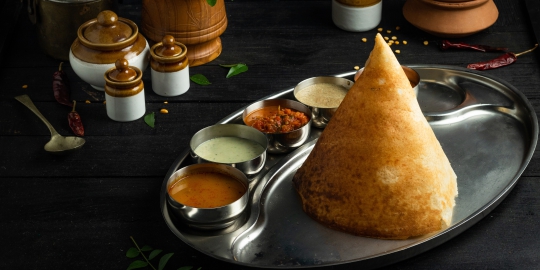
Dosa is a thin rice crepe made from fermented rice and lentils. The plain version stays crisp and light. The Masala Dosa includes a filling of spiced potatoes. Restaurants usually serve Dosa with Coconut Chutney and Sambar.
Tamarind Rice (Puliyodarai)
This South Indian rice dish combines tangy tamarind paste spices and crunchy peanuts with rice. A traditional temple offering in South India, the Puliyodarai is a comfort worth trying.
Idli and Medu Vada
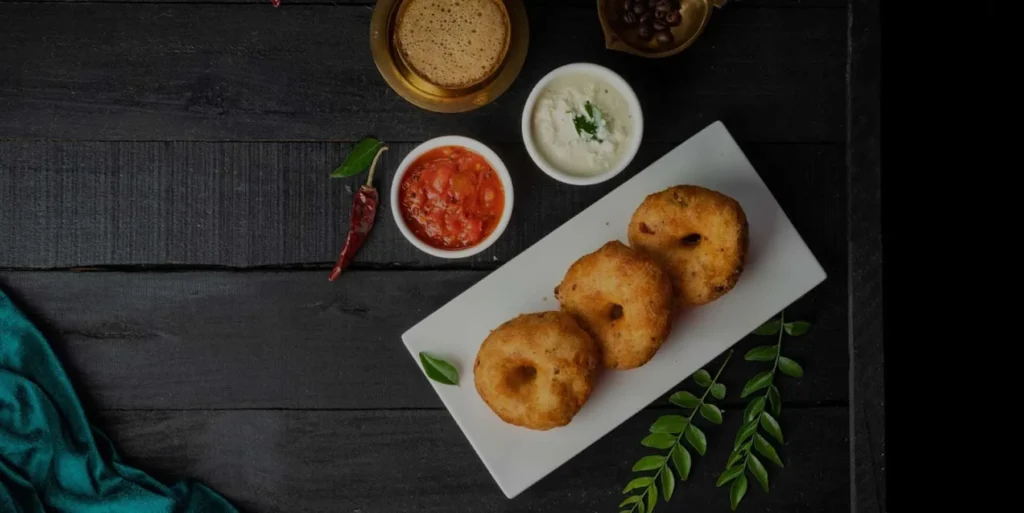
Idli are soft steamed rice cakes. Medu Vada are crispy, savoury lentil doughnuts. Together with Sambar and Chutneys, they create a balanced and satisfying meal.
Sambar
Sambar combines lentils, vegetables, and tamarind in a flavourful stew. A good Sambar lures you into trying it with its aroma. People enjoy Sambar with rice, Idli, Dosa, or Vada.
Kadala Curry
This Kerala dish combines black chickpeas with coconut milk and curry leaves among other ingredients. Coconut milk adds onto the richness while spices create warmth. The dish pairs beautifully with rice or Puttu.
Puttu
Puttu comes from Kerala. Cooks steam rice flour with fresh coconut to create a soft, crumbly dish. It is served with chickpea curry, granulated sugar and fresh banana.
Vegetable Kurma
Vegetable Kurma is a stew of mixed vegetables in a creamy coconut sauce. Spices keep the dish savoury while coconut milk adds richness and a subtle sweetness. This curry pairs beautifully with Parotta, rice, Idiyappam and Aappam.
Coconut Chutney
A fresh blend of coconut, green chillies and curry leaves among other ingredients to create this cooling chutney. It helps balance many South Indian dishes.
Lemon Rice
This dish tastes bright, tangy, and slightly nutty. A “variety rice”, as it is known in India, is made of lemon juice, mustard seeds, curry leaves, turmeric and peanuts.
Vegetable Biriyani
Vegetable biriyani layers fragrant rice with vegetables and whole spices like cardamom, cloves, and saffron. The dish smells incredible and tastes deeply aromatic.
North Indian Cuisine and Vegan Dining
Rice, Breads, and Comfort Sides
Rice and flatbreads form the base of most Indian meals. They absorb curries and balance bold flavours. Whole wheat flatbreads like Chapati, Roti are naturally vegan.
Aloo Gobi
This simple semi curry-semi dry dish combines potatoes and cauliflower with spices like turmeric, ginger and tomatoes.
Dal Tadka / Dal Fry
Lentils cook until soft and creamy. Cooks then pour hot oil infused with spices over the Dal. This tempering creates intense flavour and aroma. Indulge in Dal with steamed rice or Roti for a simple, comforting meal.
Chole (Chickpea Curry)
Simmered chickpeas in a spicy tomato and onion base. The curry tastes bold, tangy, and deeply satisfying. Many people enjoy chole with Bhature or Roti.
Rajma Masala (Kidney Bean Curry)
Rajma Masala is slow-cooked kidney beans in a rich tomato gravy. The beans absorb the spices and create a thick, silky curry. Serve it with rice to soak up every bit of flavour.
Gujrati and Rajasthani Thalis
In many parts of India, a Thali is the best way to experience a meal. The word Thali simply means a plate. Small bowls filled with different dishes surround rice, breads, pickles, and sweets. Every flavour has its place on the Thali.
A Gujarati Thali comes with sweet, salty, tangy, and spicy flavours. The cuisine uses plenty of vegetables, lentils, and grains. You might find dishes like dal, vegetable sabzis, spiced potatoes, and steamed rice. Soft Rotis or Thepla sit on the side. Crunchy pickles and fresh salads add brightness to the meal. Gujarati cooking also uses peanuts, sesame, and spices to create rich flavour without relying on heavy ingredients. With a few simple swaps like skipping yogurt or ghee, many of these dishes become perfect for vegan diets.
Rajasthani food comes from a desert region where people learned to cook hearty meals with simple ingredients. The result is bold, comforting food that satisfies deeply. A Rajasthani Thali often includes dishes like Dal, Gatte ki Sabzi (gram flour dumplings in gravy), Ker Sangri (a traditional desert bean and berry dish), and spiced vegetable curries. Warm Bajra Roti or wheat Roti completes the plate. Many of these dishes rely on lentils, pulses, and spices. They deliver strong flavour and good nutrition, making them easy to adapt for vegan diets.
Both Gujarati and Rajasthani Thalis show how Indian cuisine naturally celebrates plant-based food. You get protein from lentils, fibre from vegetables, and satisfying grains in one meal.
More importantly, a Thali invites you to taste many flavours at once. Take a little rice. Add some dal. Scoop up a vegetable curry with Roti. Try a pickle on the side.
Bengali and Eastern Indian Cooking
Many Bengali dishes fit beautifully into a vegan diet. You might find Cholar Dal, a mildly sweet lentil dish cooked with spices and coconut. There are also vegetable preparations like Aloo Posto, potatoes cooked with poppy seeds, or Shukto, a lightly bitter vegetable stew that invites appetite. Steamed rice anchors most meals. A spoonful of dal, a vegetable dish on the side, and a small pickle create a complete and comforting plate.
Beyond Bengal, eastern Indian states like Odisha and Assam share a similar love for fresh ingredients and light cooking. Lentils, leafy greens, pumpkin, eggplant, and gourds appear often in everyday meals.
Simple dishes like Dalma, a lentil and vegetable stew from Odisha, show how nourishing plant-based cooking can be. Many meals rely on steaming, simmering, and gentle tempering with spices.
Vegan Street Food Classics You are Sure to Love
In India, some of the best meals are found on busy street corners, from glowing carts of small food stalls. It’s quite the scene to see families and friends gather and step out just for these flavours. In India, street food is a nostalgic experience. For anyone curious about Indian vegan cuisine, street food is the most exciting place to begin!
Aloo Tikki
Cooks shape mashed potatoes into patties and pan-fry them until golden. The outside turns crisp while the inside stays soft. Spices like cumin, coriander, ginger, and green chillies add warmth. Vendors often top the patties with tamarind chutney, mint chutney, and spiced chickpeas.
Pani Puri
Tiny crispy puris hold spicy tamarind water and mashed potatoes. You eat them in one bite to relish how the puri bursts with tangy, spicy flavour. This snack feels playful, exciting, and unforgettable!
Samosa Chaat
Broken crispy Samosas and topped it with curried chickpeas, fresh onions, spicy and tangy chutneys. The dish combines a crunchy savoury, creamy chickpeas, and tangy sauces. Each bite is an exploration in textures and flavours. For a richer vegan version, ask for plant-based yogurt or enjoy it without yogurt.
Bhel Puri
This famous snack from Mumbai mixes puffed rice, freshly chopped onions, tomatoes, sev (crispy gram flour noodles), fresh coriander, and chutneys. The result feels light, crunchy, and refreshing.
Some Tips for Ordering Vegan Indian Food Anywhere
In today’s day and age, you can enjoy vegan food almost anywhere in the world. When you are particularly looking for vegan dining in an Indian restaurant, these tips might be of help:
Ask about ghee or butter
Some dishes like Dal Makhani, Aloo Parantha, Sambhar could use butter and ghee while tempering the dish or even as an ingredient. Ask about ghee and butter in dishes and if the restaurant could accommodate to replace it with plant based oils.
Choose plant-based chutneys
Most Indian chutneys are vegan. Pick them as sides for your favourite South Indian Dosas and Idlis.
Check desserts carefully
Some Indian desserts like Gulab Jamuns, Kulfi and Ras Malai are made of milk solids or include condensed milk.
If you are really looking for vegan desserts during your time at an Indian restaurant, go for naturally vegan desserts like coconut milk pudding, Jalebi, Chikki and Coconut Barfi are naturally vegan.
Indian Cuisine is Full of Plant-Based Joy
Indian cuisine has so much to offer for vegans. And if you doubt vegan diet can limit choices, Indian cuisine is here to suggest otherwise.
At The Madras Diaries, we celebrate Indian flavours and we recommend plenty of vegan specialties that stand for the authenticity of the Indian dining experience.
So, the next time you feel experimental about your meal, step into an Indian restaurant and explore the plant-based side of the menu. You may discover some of the most flavourful and wholesome dishes you have ever tasted!