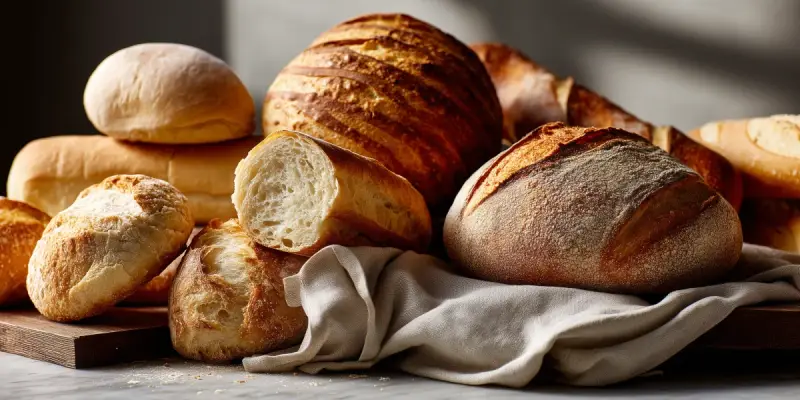
Indian breads are sides (sometimes, mains) that shape the entire Indian dining experience. They influence the flavor, texture, and satisfaction of a meal. Choosing the right Indian bread for your meal at any restaurant comes down to balance: go for soft, light breads like roti or Phulka with everyday dishes and lighter curries; pick richer, tandoor-baked options like Naan or Kulcha for creamy, indulgent gravies; and opt for crisp or fried breads like Puri or Bhatura when you want contrast and a more filling experience.
By matching the bread’s texture and richness to your dish, you elevate the entire plate from simply good to thoughtfully complete.
At The Madras Diaries, we believe the right bread can completely transform how a dish is experienced, which is why our menu is thoughtfully paired to bring out the best in every curry and accompaniment. This blog is your guide to making those choices with intention.
Understanding the Role of Bread in an Indian Meal
Before diving into types, it’s important to understand how Indian breads function within a meal.
In the west, breads are often a side or starter. But with Indian cuisine, breads are central to how food is eaten. The bread you plate directly impacts how the experience feels to taste.
Indian breads can really pop with the right side of choice. On the flip side, the wrong combination can disappoint, especially first time diners. A rich curry paired with an equally rich bread can feel heavy and a light bread with a dry dish may feel incomplete. So the key lies in balance.
How to Order the Right Bread for Yourself in Any Indian Restaurant
An easy approach to ordering the right Indian Bread at any place is to get to know of the texture, the richness and the way the bread is cooked. Knowing this is the first step in building balance.
Texture
Bread textures can range from soft and light to flaky and chewy to crispy and savoury. The texture can influence the experience of the dish.
For instance,
- Soft breads soak up gravies well
- Crispy breads add texture contrast to creamy dishes
- Layered breads create a more indulgent bite
Richness
Some breads are made/garnished with butter, ghee, or spiced oils. Some breads are more original and plain.
- Rich breads elevate simple dishes
- Light breads help you balance and indulge in creamy curries
Cooking Method
The way a bread is cooked greatly influences the dining experience, especially since there are many breads in Indian cuisine and are made with different cooking methods.
- Tawa cooked: light and soft under bites
- Tandoor (clay oven): smoky and robust
- Deep-fried/shallow fried: crispy and indulgent
- Steamed crepes: soft and gentle on the stomach. You can go for this when you look forward to indulging in rich curries and other dishes.
Light Indian Breads and When to Choose them
If you’re having a home-style meal; like dal, sabzi, or a mild curry; you want the bread that complements rather than competes.
Best Choices
- Roti / Chapati
- Phulka
- Jowar or Bajra roti
These breads are typically unleavened, made with whole grains, and cooked on a flat griddle. They are light, easy to digest, and ideal for daily consumption.
When to Choose Them
- With lentils (dal)
- With dry vegetable dishes
- For a healthy, balanced meal
How they Work
The simplicity of light breads allows the main dish to shine. They don’t overpower flavors and help maintain a nutritional balance.
Rich and Indulgent Indian Breads and When to Choose Them
Planning a more indulgent meal? Maybe something with butter chicken, paneer gravies, or a celebratory dinner?
This is where richer breads come in.
Best Choices
- Naan
- Butter naan
- Kulcha
- Lachha paratha
These breads are often made with refined flour and may include yogurt, milk, or butter. They’re softer, slightly chewy, and sometimes layered.
When to Choose Them
- With creamy or spicy gravies
- For restaurant-style meals
- When you want a more filling experience
How they Work
The richness of indulgent breads complements bold, flavorful curries. The slight char from the tandoor adds depth, while the softness helps scoop up thick gravies.
Flaky and Stuffed Breads and When to Choose Them
Sometimes, the bread itself becomes the star of the meal. Stuffed and layered breads offer intricacy in flavor and texture.
Best Choices
- Stuffed parathas (aloo, paneer, gobi)
- Plain or layered parathas
These are often cooked with ghee or oil, giving them a crisp exterior and soft interior.
When to Choose Them
- For breakfast or brunch
- As a standalone meal with yogurt or pickle
- When you want something hearty
How they Work
They are filling and flavorful on their own, reducing the need for elaborate side dishes.
Crisp Deep-Fried Breads and When to Choose Them
There’s something universally satisfying about a puffed, golden fried bread. These are typically reserved for special occasions or indulgent meals.
Best Choices
- Puri
- Bhatura
- Luchi
These breads are deep-fried, resulting in a crispy outer layer and a soft, airy inside.
When to Choose Them
- With chole (chickpea curry)
- For festive breakfasts or lunches
- When you want a treat
How they Work
Their texture contrasts beautifully with thick, spiced gravies. The slight crispiness enhances the overall bite.
Light and Fermented Breads That are South Indian Staples
If you’re looking for something lighter or gluten-free, fermented rice-based breads are a great option.
Best Choices
- Appam
- Idiyappam
- Dosa (though more of a crisp crepe, it functions similarly)
These are made from fermented batters, giving them a slight tang and soft texture.
When to Choose Them
- With coconut-based curries
- For breakfast or light dinners
- When you want something easy to digest
How They Work
Fermentation improves gut health and enhances flavor. These breads are light yet satisfying.
Regional Specialties in Indian Breads
India’s regions each have their own bread traditions, shaped by local ingredients and climate.
Examples
- Baati from Rajasthan (baked, dense, served with ghee and dal)
- Akki roti from Karnataka (rice-based, slightly coarse texture)
- Thalipeeth from Maharashtra (multigrain, spiced)
When to Choose Them
- When exploring regional cuisine
- To create a themed meal
- When you want something unique
Why they Work
They offer a deeper connection to local food culture and often pair best with traditional dishes from the same region.
How to Pair Bread with Different Types of Dishes
Here’s a simple way to think about pairing Indian Breads
With Creamy Gravies
Choose soft, slightly rich breads.
- Naan
- Kulcha
With Spicy Curries
Choose breads that balance heat.
- Butter naan
- Paratha
With Dry Dishes
Choose breads that are soft and pliable.
- Roti
- Phulka
With Lentils
Keep it simple and wholesome.
- Roti
- Millet breads
With Breakfast or Brunch
Go hearty or indulgent.
- Stuffed paratha
- Puri
With Coconut-Based Curries
Choose fermented rice breads.
- Appam
- Idiyappam
How to Choose Smart for Health Considerations
Not all breads are created equal in terms of nutrition.
Go for these choices, if you are looking for wholesome and balanced nutrition.
- Whole wheat roti
- Millet-based breads (bajra, jowar)
- Steamed options like idiyappam
More Indulgent Choices in Indian Breads
- Naan (especially butter naan)
- Parathas
- Deep-fried breads like puri and bhatura
If you’re aiming for a balanced diet:
- Opt for whole grains
- Limit deep-fried breads
- Pair rich breads with lighter curries
Common Mistakes to Avoid
Even seasoned food lovers get this wrong sometimes.
Overloading on Rich Breads
Pairing a heavy curry with a buttery bread can feel overwhelming.
Ignoring Texture Contrast
A soft dish needs some structure from the bread.
Choosing Based on Popularity
Just because naan is popular doesn’t mean it’s always the right choice.
Building Your Own Perfect Plate
Think of your meal as a composition:
- Base (Bread): Light or rich depending on the dish
- Main (Curry or Sabzi): Flavor profile (spicy, creamy, tangy)
- Sides: Yogurt, pickle, salad for contrast
A well-balanced plate might look like:
- Roti + dal + dry sabzi + curd
Or - Naan + paneer butter masala + salad
Final Thoughts
The right choice in Indian breads can elevate a meal, enhance flavors, and create balance. The next time you’re faced with an Indian menu, think about texture, richness, and pairing. Experiment with regional varieties. Once you start choosing your bread with intention, every Indian meal becomes satisfying and memorable.